
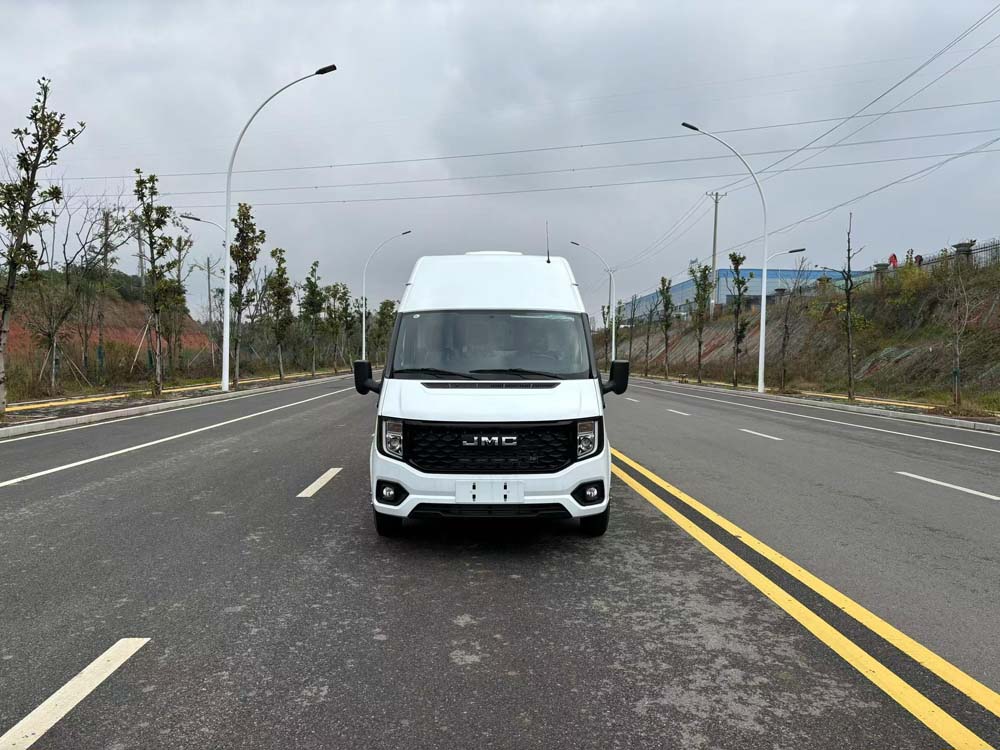
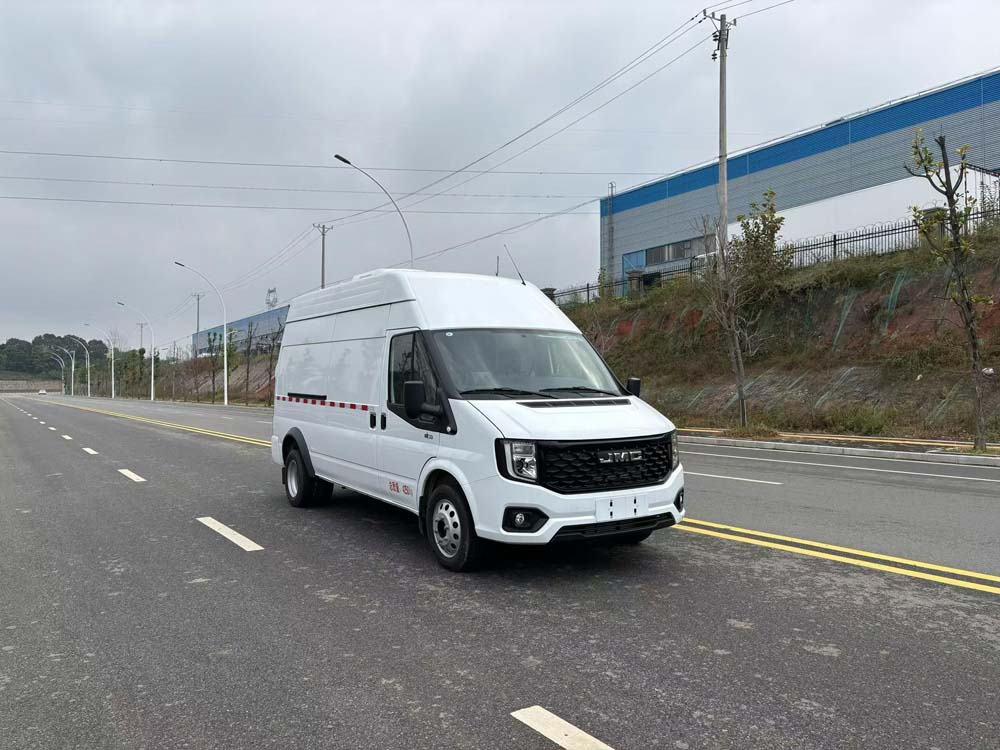
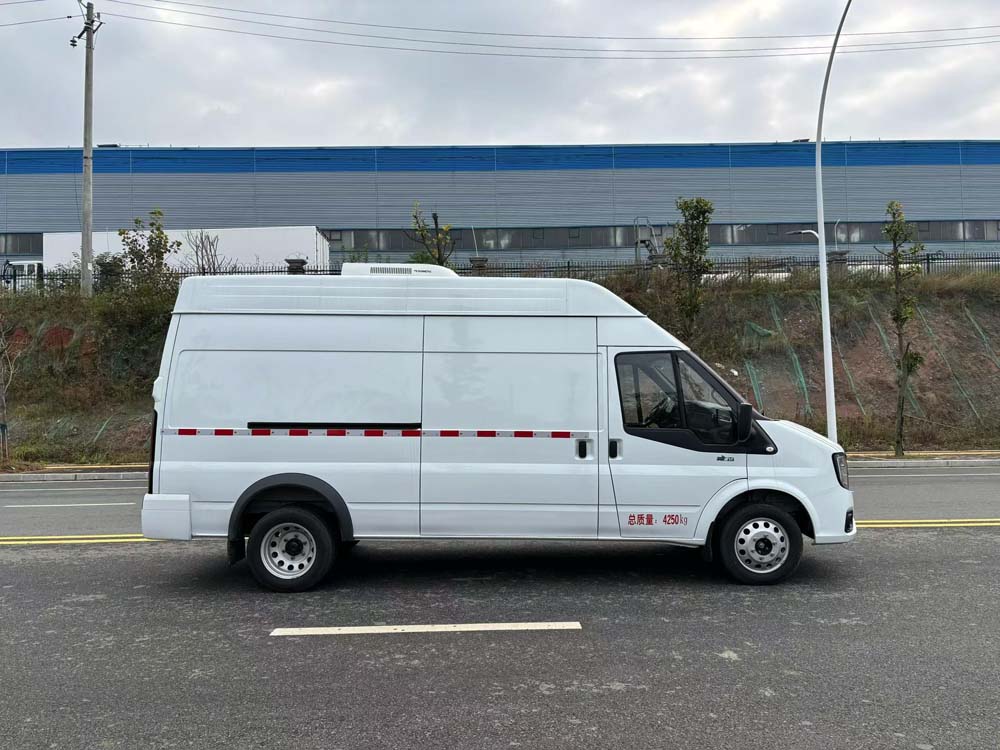
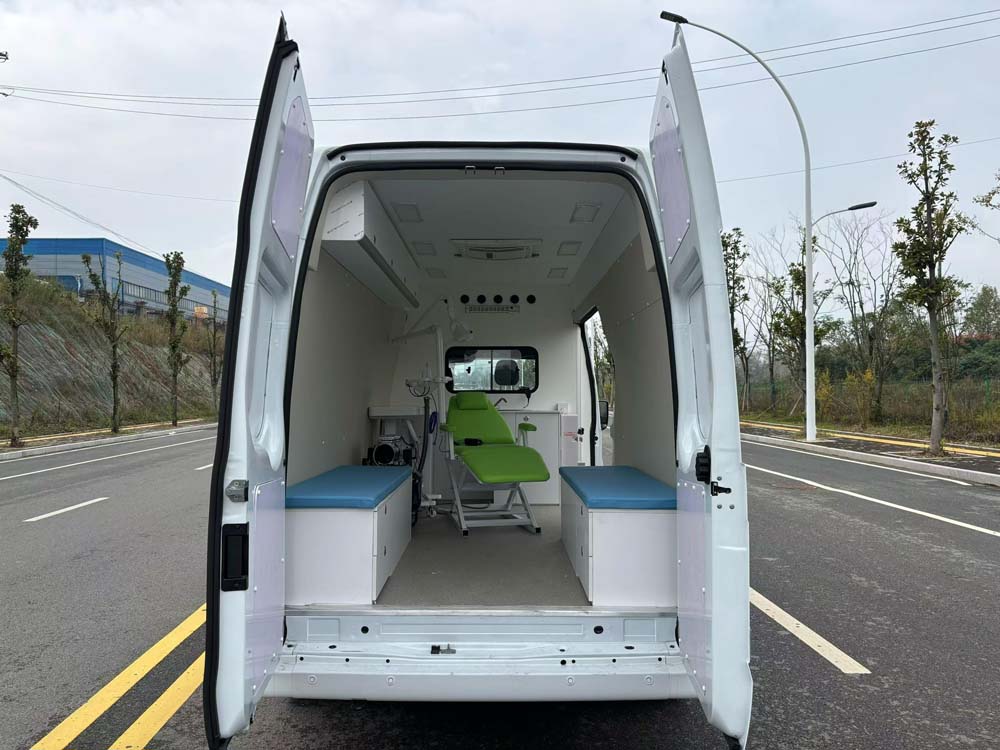
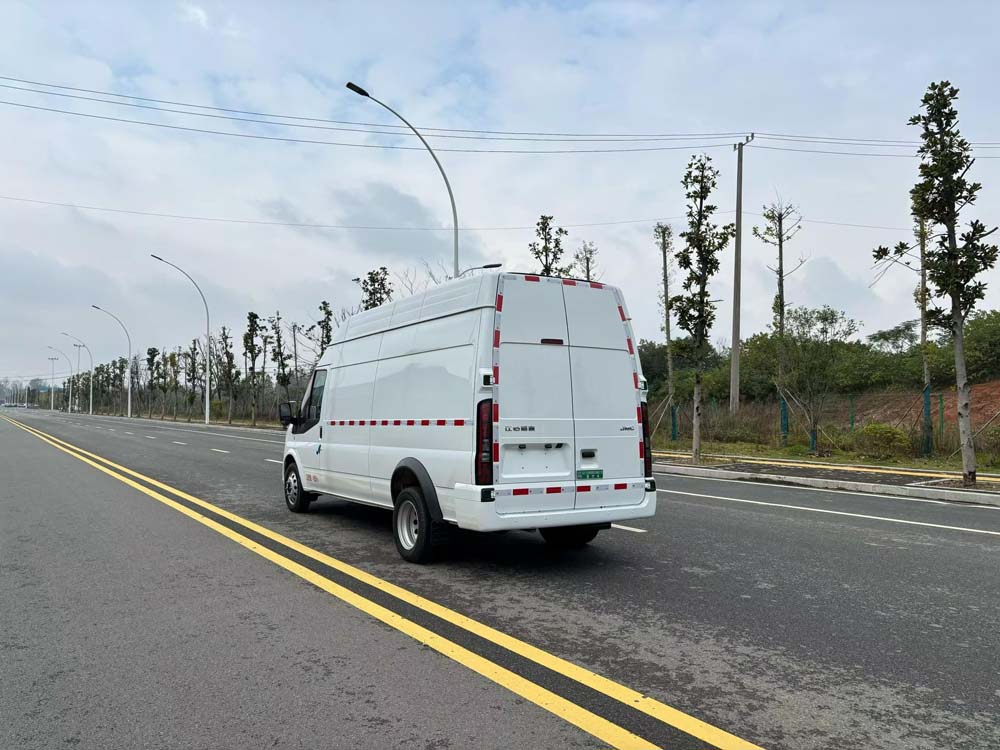
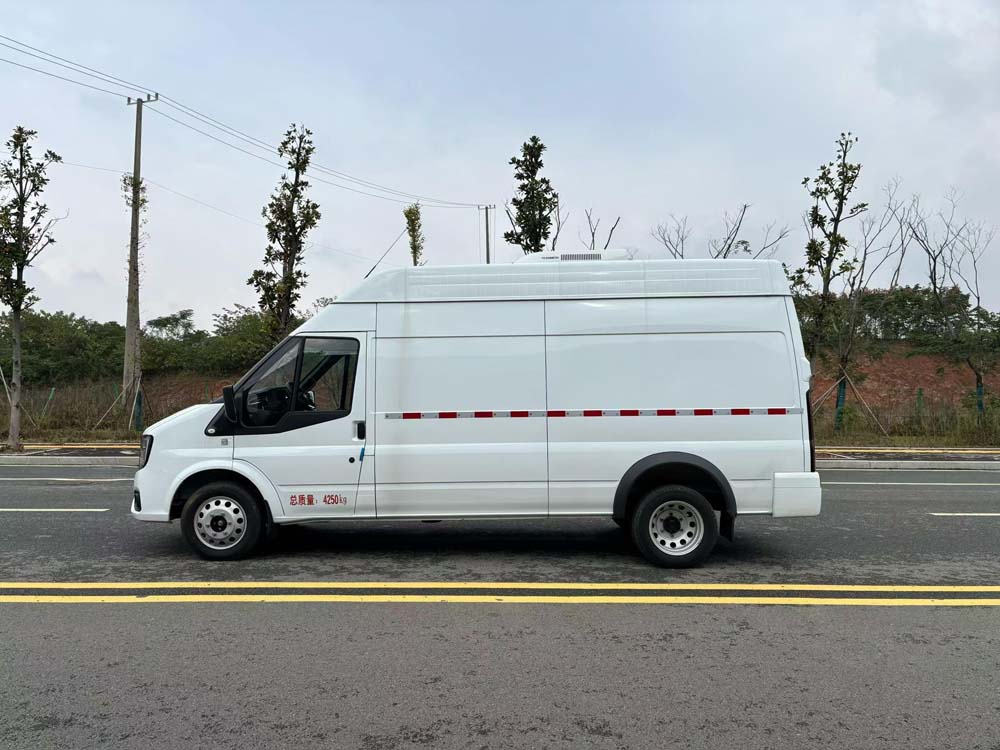
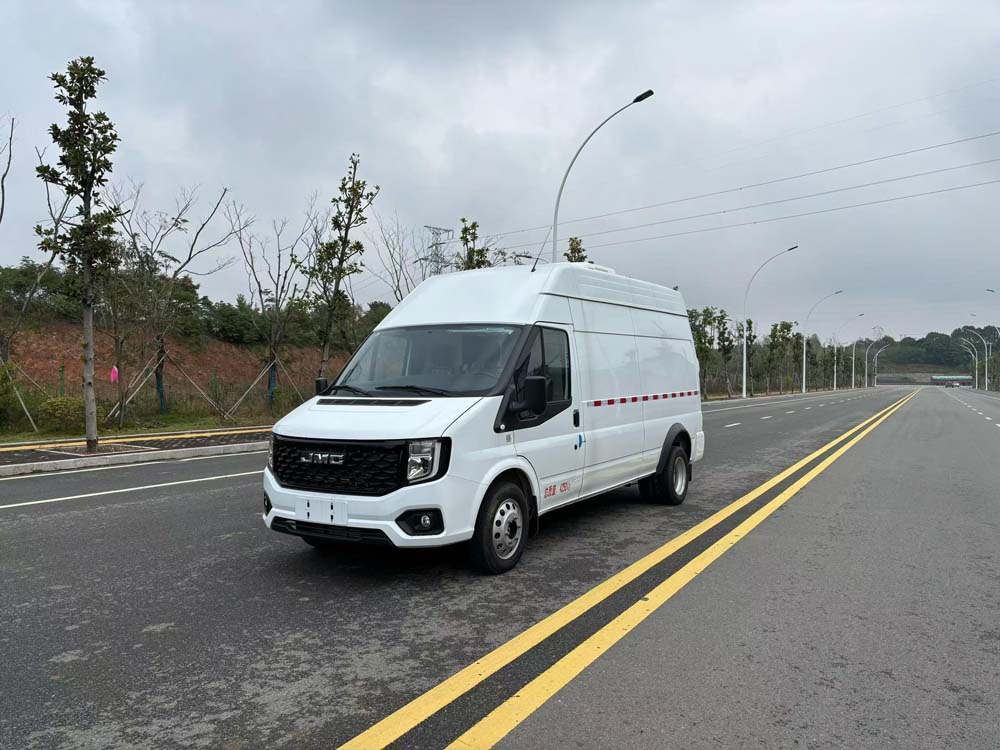
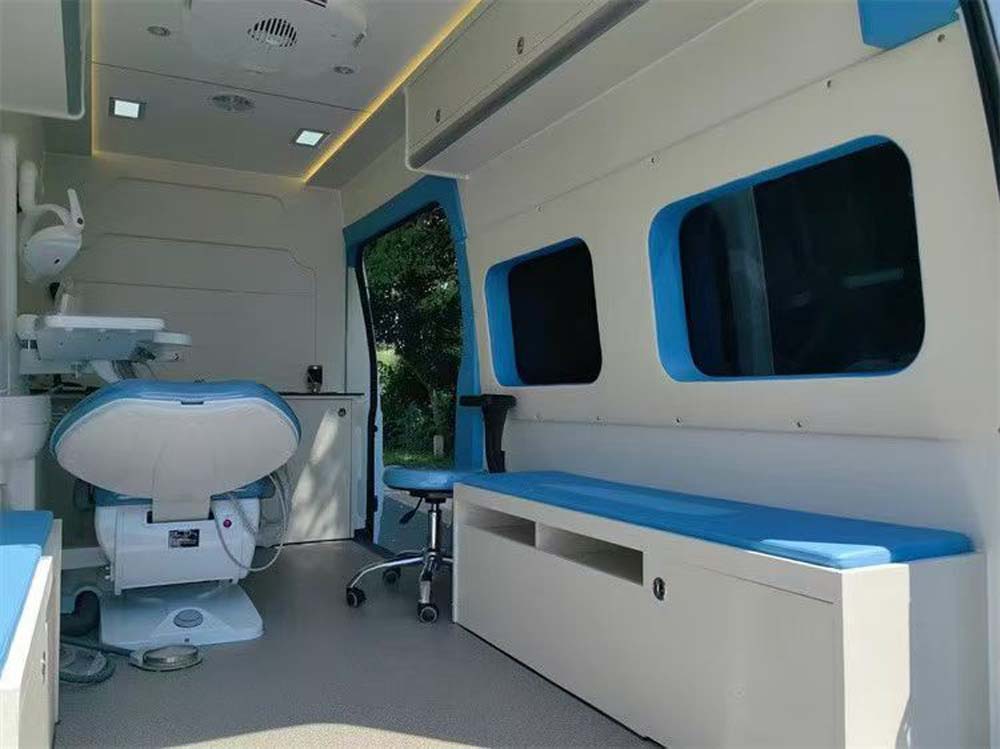
The vehicle focuses on "on-site diagnosis and convenient services" and covers four major scenarios: basic physical examination, special screening, simple diagnosis and treatment, and remote linkage. It can provide standardized medical services without relying on fixed medical facilities, effectively filling the pain points of weak primary medical resources and insufficient regional coverage, especially suitable for medical needs in communities, rural areas, factories, mines, border defense and other scenarios.
1. Basic physical examination and biochemical screening function: It can carry out basic biochemical tests such as blood routine, blood glucose, blood lipids, liver function, kidney function, etc. It is equipped with professional equipment such as portable biochemical analyzers, electrocardiographs, blood pressure monitors, heart rate monitors, etc., supporting rapid data collection and issuing basic testing reports, meeting the needs of routine health examinations, epidemic screening, and enterprise employee physical examinations. At the same time, it can complete the monitoring of basic physical signs such as height, weight, and vision, and is equipped with a complete physical examination registration system to achieve standardized recording and organization of physical examination data, adapt to large-scale mobile physical examination scenarios, and help achieve the health management goal of "early detection and early intervention".
2. Specialized diagnosis and intervention functions: For common grassroots diseases, simple diagnosis and treatment operations such as wound cleaning, disinfection, suturing, and minor trauma fixation can be carried out. Professional diagnosis and treatment tables, emergency medicine cabinets, and sterile equipment packages are equipped to meet the basic diagnosis and treatment and medication guidance needs of common and chronic diseases. Some customized versions can be equipped with imaging detection equipment such as X-ray machines and ultrasound diagnostic devices to achieve rapid screening of chest, abdomen, limbs and other parts, assisting doctors in quickly judging the condition and reducing the inconvenience of patients traveling to and from the hospital. In addition, the vehicle can be adapted to special public health services such as vaccination and nucleic acid sampling, equipped with vaccine refrigerators (with a minimum temperature of -10 ℃) and sampling consumables storage devices, meeting the needs of public health emergency prevention and control scenarios.
3. Remote diagnosis and treatment linkage function: Integrated with intelligent communication and data transmission system, it can achieve real-time remote consultation with higher-level hospitals, synchronize the physical examination reports, imaging data, and patient sign data collected in the car to higher-level medical institutions, facilitate experts to remotely guide diagnosis and treatment, clarify diagnosis plans, and solve the pain points of limited basic medical diagnosis and treatment level. Some versions support 5G remote diagnosis and treatment, enabling high-definition live streaming and real-time data exchange, allowing remote areas to conveniently enjoy high-quality medical resource support. Simultaneously equipped with a walkie talkie system to achieve efficient communication between the medical cabin, cockpit, and various workstations inside the cabin, improving the efficiency of diagnosis and treatment operations

